

What Is Depression? Symptoms, Causes, and Can It Be Cured? | Safe and Sound
Depression is a serious mental condition, far different from fleeting sadness. Psychologists and mental health professionals say that a frequently asked question is whether depressed individuals can recover on their own. This relates to the complexity and diversity of depressive states. This article will provide a deeper insight into the possibility of self-recovery and ways to improve depression.
Nguyen Hoang Nguyen | Master of Science, Doctor – Application of Safe and Sound Mental Health Care
Institute of Applied Medical Technology
1. What is depression?
Depression is not simply a feeling of sadness, but a serious psychological state accompanied by loss of interest, insomnia, fatigue, and even suicidal thoughts.
According to psychologists and psychiatrists, symptoms of depression often include:
- Feelings of sadness: People with depression often experience a deep sense of sadness, emptiness, and a lack of joy in life.
- Loss of interest: Hobbies and the ability to enjoy activities that were once fun now become meaningless or uninteresting.
- Insomnia or excessive sleep : Psychologists and mental health professionals say that frequent sleep disturbances are a sign of depression. Some people may experience insomnia, while others may feel tired and crave sleep all day.
- Emotional imbalance: People with depression may become irritable, stressed, and unable to control their emotions.
- Low self-esteem and lack of confidence: They often feel insecure, doubt their abilities, and tend to have negative thoughts about themselves.
- Loss of concentration : According to psychologists and psychiatrists, the ability to concentrate and make decisions can be significantly impaired in people with depression.
- Suicide and self-harm: In severe cases, depression can lead to suicidal thoughts or self-harming behaviors.
Currently, psychologists and psychiatrists say there is no clear answer as to whether someone with depression can completely recover on their own. The ability to recover depends on many factors such as the severity of depression, its underlying causes, and how the individual copes with the condition.
See also: The difference between depression and ordinary sadness / Is sadness a symptom of depression?
2. Stages of Depression
Depression is a complex condition that can go through different stages. These stages are usually classified based on the severity and duration of the illness. According to psychologists and psychiatrists, the following are common stages of depression:
- Mild depression phase: This phase usually begins with the appearance of some depressive symptoms. These symptoms may include a sad mood, loss of interest, fatigue, and changes in eating or sleeping patterns. However, psychologists and psychiatrists say that in this phase, depression is usually not severe enough to be diagnosed as major depression.

Mild depressive episode
- Moderate Depression: When depressive symptoms become more severe and prolonged, the patient may enter the moderate depression phase. At this stage, sadness and loss of interest are very evident and can make daily life difficult. According to psychologists and psychiatrists, patients at this stage often feel tired and may experience pessimism about the future.
- Severe depression: This is the stage where depression is at its highest level and can seriously affect a person's life and health. Symptoms are clear, including feelings of hopelessness, sudden weight loss, changes in thinking and behavior, and mental exhaustion. Psychologists and mental health professionals say that during this stage, patients may lose the ability to enjoy life and may even have suicidal thoughts.
It's important to note that not everyone experiences all of these stages, and the severity of depression can vary. To arrive at an accurate diagnosis and develop an appropriate treatment plan, seeking advice from psychiatrists and mental health professionals is crucial.
People with depression need special support from mental health professionals to manage and minimize symptoms. The care process usually begins with a thorough assessment to determine the level of depression the patient is experiencing. Based on the assessment, Safe and Sound mental health professionals will develop a personalized treatment plan, depending on the individual's specific needs and condition.
Recurrent depression
3. Causes of depression
Currently, the exact cause of depression remains unknown. However, experts have identified several risk factors that may contribute to this illness:
3.1. Abnormalities in the brain
Abnormalities in brain structure lead to imbalances in neurotransmitters such as acetylcholine, serotonin, norepinephrine, dopamine, glutamate, gamma-aminobutyric acid (GABA), etc. This imbalance of brain chemicals inhibits emotions, thinking, and movement. In particular, experts have observed a significant decrease in serotonin levels in the synaptic cleft.
3.2. Genetic factors
Depression is a potentially hereditary disease, as evidenced by numerous studies. The risk of developing the disease increases two to three times if a parent suffers from depression. Psychologists believe that genes play a role in shaping an individual's ability to adapt and react to traumatic events. Therefore, if there is a family history of the disease, children are more likely to also suffer from it.
Depression is potentially hereditary, and the risk increases two to three times if a parent suffers from the condition.
3.3. Psychological trauma
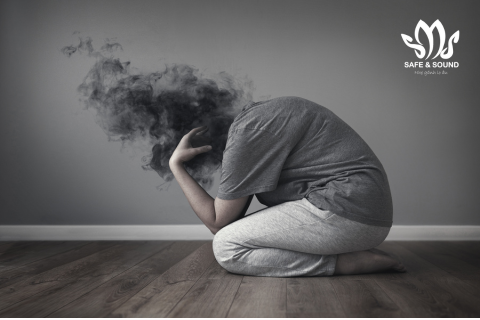
Psychological trauma
Even without carrying the "depression" gene, some people can still experience depression due to traumatic events. These events exceed a person's tolerance threshold, causing the brain to become inhibited and leading to chemical imbalances. This results in depression and other mental disorders such as post-traumatic stress disorder and generalized anxiety disorder.
3.4. Chronic stress
Prolonged stress is one of the causes of depression. Persistent stress alters hormones and neurotransmitters in the brain. In addition, stress increases cortisol levels, leading to a range of physiological changes. If this continues, it can cause depression accompanied by physical symptoms such as fatigue, headaches, and digestive disorders.
3.5. Other factors
In addition to the causes mentioned above, depression can also occur due to several other factors such as:
- Due to medical conditions: Physical illnesses affect brain function and disrupt the balance of brain chemicals. Therefore, depression often occurs in patients with hypothyroidism, cardiovascular diseases, neurodegenerative diseases, brain tumors, traumatic brain injury, cancer, etc.
- Side effects of medication: Some medications can affect mood and contribute to depression, including isotretinoin, anticonvulsants, tranquilizers, calcium channel blockers, and narcotic painkillers, etc.
- Substance addiction, gaming addiction: Substance addiction and gaming addiction have been identified as causes of depression. These factors alter brain function and disrupt neurotransmitters.
See also: 12 misconceptions about depression that you might also be thinking (Part 1)
4. How dangerous is depression?
According to psychologists and psychiatrists, depression is not just a fleeting emotion, but a worrying condition that can seriously harm the mind and overall health of those who suffer from it. Here are some of the dangers of depression:
- Risk of suicide
Depression can lead to suicidal thoughts and even suicidal actions. This is an extremely serious and dangerous aspect of the condition and requires immediate intervention.
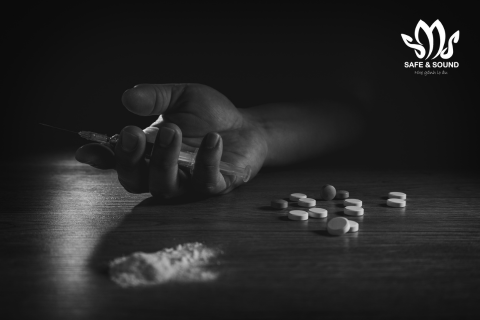
Risk of suicide in people with depression
- Impact on physical health
Psychologists and psychiatrists warn that depression can cause physical health problems such as insomnia, unexplained weight loss, and weakened immunity, leading to an increased risk of other illnesses.
Loneliness and self-isolation
People with depression often feel lonely and isolated from their social circle. This can worsen their depression and hinder their recovery.
- Affects decision-making and work performance.
Depression can impair decision-making abilities and work performance, affecting both personal and professional life. According to psychologists and psychiatrists, this can lead to difficulties, feelings of discouragement, and a feeling of having to push yourself to work.
If you or someone you know is experiencing depression, please note that depression is a condition that needs treatment. Don't try to cope on your own; seek help from a mental health professional or psychologist.
Depression should not be taken lightly, and seeking support and treatment is crucial. Timely help can save lives and help you or your loved ones recover and live healthier and happier lives.
See also: Is cutting your wrists the right way to cope with depression?

5. How is depression treated?
Treating depression is a complex process requiring a combination of different methods, in which the role of psychologists and mental health professionals is crucial. Treatment methods are often personalized to suit each patient, aiming for maximum effectiveness and minimizing the likelihood of relapse. Below are some common methods:
5.1. Psychological therapy
Psychotherapy plays a fundamental role in the treatment of depression. Among these, Cognitive Behavioral Therapy (CBT) is considered the most important and common method. CBT focuses on adjusting negative thoughts and behaviors to improve mental state. In this process, therapists guide patients in identifying negative thoughts that cause anxiety, low self-esteem, or despair, and then help them replace them with more positive thoughts. Through individual or group therapy sessions, patients learn how to improve their mood and cope with stress, helping them not only change their perspective but also develop healthy thinking habits.

Psychological therapy for people with depression
Besides CBT, other methods such as supportive therapy and psychodynamic therapy are also effective for some patients. Supportive therapy helps patients cope with life's difficulties, while psychodynamic therapy helps them explore past internal conflicts to address the root causes of the problem.
5.2. Use of medication
In many cases, antidepressants are used to balance neurotransmitters such as serotonin and dopamine – factors associated with emotions. Common types of antidepressants include SSRIs (selective serotonin reuptake inhibitors), SNRIs (serotonin-norepinephrine reuptake inhibitors), and tricyclic antidepressants. Using these medications helps patients reduce symptoms such as persistent sadness, loss of interest, or fatigue, thereby improving their quality of life.
However, medication should only be used under the close supervision of a psychiatrist, as antidepressants can have side effects such as weight gain, insomnia, or decreased libido. Adjusting the dosage and type of medication appropriately is crucial to ensure the patient achieves the best results without experiencing unwanted reactions.
See also: Types of antidepressants you should know (part 1)
6. What activities can you do on your own to improve your depression?
There are many activities you can do yourself to improve your depression. Here are some suggestions from psychologists and psychiatrists:
- Exercise: Regular exercise can help increase the production of endorphins—natural feel-good hormones in the body. Choose activities you enjoy, such as walking, jogging, yoga, or gentle exercise.

Exercise helps improve depression.
- Learn how to manage stress: Effective stress management can help reduce symptoms of depression. Psychologists and mental health professionals suggest trying relaxation techniques, meditation, or even journaling to relieve stress.
- Dietary changes: Eating a balanced diet and getting enough nutrients can positively impact your mood. Psychologists and mental health professionals recommend avoiding fast food and drinks high in caffeine or sugar.
- Engage in creative activities: Learn to draw, sing, blog, or any creative activity that can help you express your emotions and relieve stress.
- Engage in social activities: According to psychologists and psychiatrists, meeting and connecting with friends, family, or joining clubs and interest groups can help you feel less lonely.
- Set small goals: Setting small goals and gradually achieving them can create a sense of accomplishment and renewed enthusiasm.
- Self-care: Regularly dedicating time to yourself, such as sunbathing, reading, listening to your favorite music, or even having a home spa treatment, can help improve your mood.
- Learn conflict resolution skills: Psychologists and mental health professionals say that learning how to confront and resolve conflicts in life in a positive way can help you feel more confident.
- Get enough sleep: Ensuring you get enough sleep at night is important. Lack of sleep can worsen symptoms of depression.
- Seek support: If you feel your symptoms of depression persist, seek help from a psychologist or mental health professional for counseling and support.
7. How can Safe and Sound help you overcome depression?
- Initial Assessment and Counseling : Safe and Sound provides a detailed psychological assessment to help you better understand your situation. Through counseling sessions, Safe and Sound's psychologists and mental health professionals will listen to and support you step by step.
- Personalized therapy : A psychological therapy program, including cognitive behavioral therapy (CBT) and other therapies, is designed to suit each individual, helping you gradually adjust your thoughts and emotions.

- Remote support : Safe and Sound offers online counseling sessions, allowing you to access mental health support whenever you need it.
- Long-term partnership : Safe and Sound not only supports you during treatment, but also commits to long-term support throughout your recovery and maintenance of mental health.
- Useful resources and knowledge : You will be equipped with the necessary skills and knowledge to cope with depression, thereby enhancing your ability to recover and improve your quality of life.
See also: Depression screening - when is hospitalization necessary?
8. What do clients who have undergone Safe and Sound therapy say?
Below are some customer stories about using Safe and Sound's services to help improve their depression.


9. What does the media say about the “Safe and Sound” team?
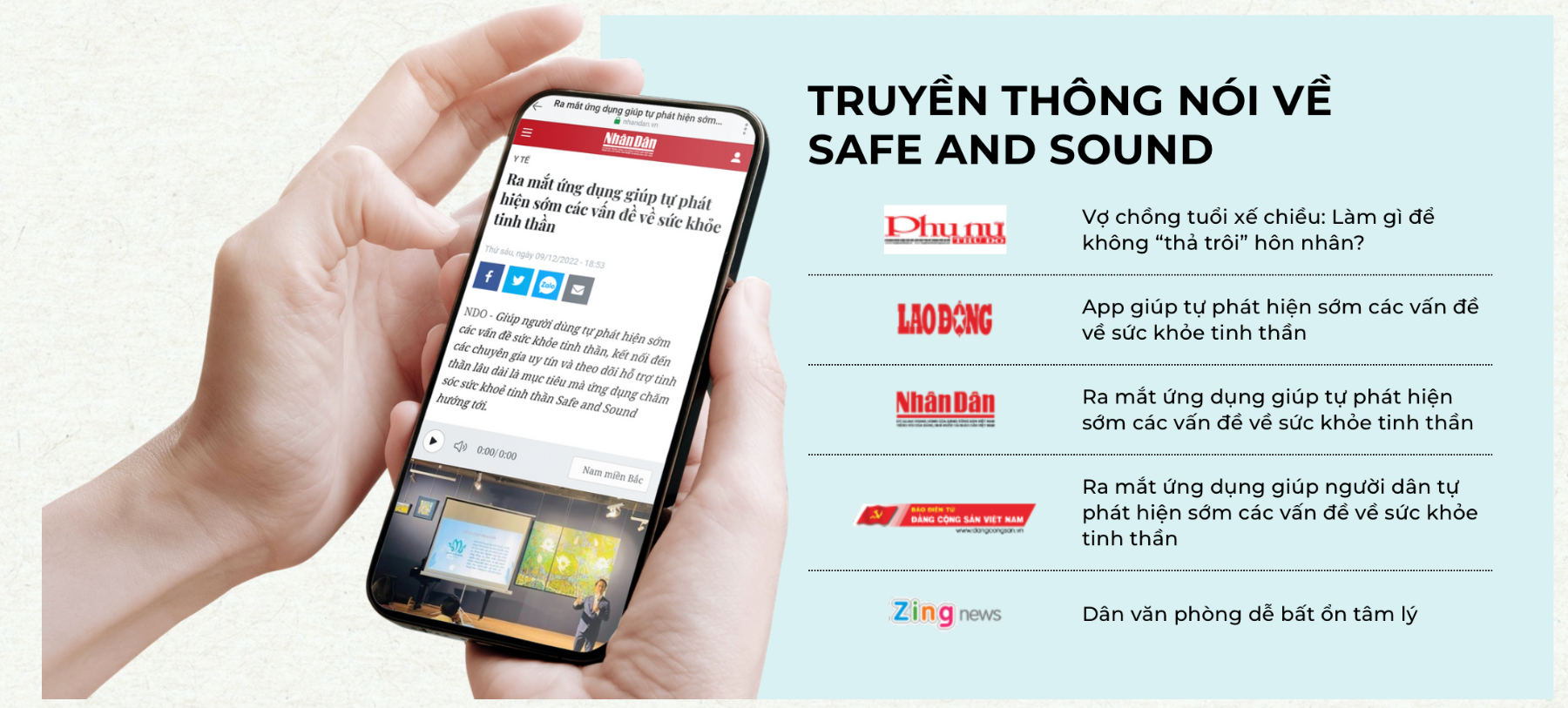
With the collaboration of psychiatrists, psychologists , and the application of technology in mental health care, Safe and Sound counseling/consultation service proudly pioneers in supporting you with "Early self-detection - Immediate emotional first aid - Long-term support."
If you suspect you have a mental health problem, or would like more information about our counseling services, please contact our HOTLINE at 0964 778 911 (Phone/Zalo, 24/7) for prompt assistance and answers!
HOW TO SCHEDULE AN APPOINTMENT for online or in-person consultation with a specialist.
- On the SNS Psychologist Fanpage
- Alternatively, download and schedule a consultation on the Safe and Sound app to manage and track your appointments anytime, anywhere.
Safe and Sound is part of the Institute of Applied Medical Technology (IMT).


See more:
Types of antidepressants you already know (part 1)
6 foods that help improve depression, according to a psychologist.
The difference between depression and ordinary sadness / Is sadness a symptom of depression?
How to reduce stress instantly in 5 minutes or less.
How to find the best psychologist or mental health professional near you.
